

People travel thousands of kilometres to catch a glimpse of a blue whale or get up close and personal with a koala.
But you may not know that we’re incredibly lucky to have an equally rare and unique creature right here in our backyard, that needs our help.
Hooded plovers – affectionately known as ‘hoodies’ – nest in the sands off Ocean Grove and neighbouring coastal towns. With only 750 left in Victoria, every chick is critical to the species’ survival.
At two nesting sites along Buckley Park Foreshore Reserve, four fluffy hooded plover chicks are battling the odds to stay alive until they’re old enough to take wing.
These chicks hatched over the past fortnight, and the next few weeks of their young lives are crucial.
Without the ability to take to the skies and escape threats, these chicks are extremely vulnerable to predators.
Hoodie chicks take about five weeks after hatching to fledge, meaning they grow enough feathers and strength to fly.
Until then, they rely on camouflage and the protection of their parents.
But unlike their much larger and more common distant cousins, masked lapwings – which most people know just as ‘plovers’, hooded plovers don’t swoop to protect their young.
Instead, hoodies use specific calls to warn their chicks to run and hide, then attempt to distract or lure predators away by acting frantically or even feigning injury through elaborate ‘broken wing’ displays.
But these tactics to distract natural predators can leave their chicks exposed to animals that can sniff them out, like foxes, feral cats and off-leash dogs.
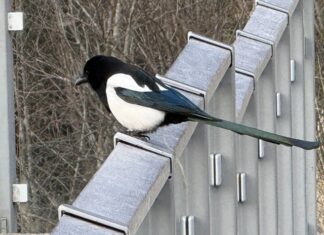
Every breeding season only three of 100 hoodie chicks survive to flying age. While they face natural threats like magpies, it’s the threats we’ve introduced to their world that are driving their decline.
The good news is we can increase their chances to one in three, with your help.
Over the next few weeks, we’ll require dog owners to have their pet on a lead in some areas that are usually off-leash, while other areas will be closed off entirely.
You’ll also see the extraordinarily-dedicated Friends of the Hooded Plover volunteers on the beach to educate visitors during this period, with support from our Environment and Animal Management teams.
I urge our community, please, help us protect these chicks over the next few weeks by walking along the water’s edge, respecting temporary fencing and closures, and keeping dogs leashed.
I acknowledge this might frustrate some dog owners, who are used to letting their four-legged pals loose for zoomies in the sand.
But it’s only for a few weeks to give these four tiny chicks the best chance of survival until they fledge.
These small actions will have a huge impact for one of our most threatened coastal birds.
Thank you to everyone who has already shown care and patience on our beaches.
If we can protect these vulnerable birds, it will be a wonderful outcome for our precious local environment.