

Modern-day cosmetic medicine is no longer viewed as something reserved for mature demographic groups seeking to reverse visible signs of ageing. More and more people who fall into the Gen Z category, i.e. those born between the mid-1990s and early 2010s, are engaging with aesthetic treatments in ways that are reshaping the industry.
From subtle injectable procedures to surgical enhancements, the trend is marked by refinement, prevention and personal choice rather than dramatic or excessive transformations.
The era of “tweakments”
One of the most notable developments is the rise of so-called “tweakments, that can be defined as minimally invasive, lower-downtime procedures designed to subtly enhance natural features. These typically include anti-wrinkle injections, dermal fillers, skin-tightening treatments and preventative “baby Botox”.
People are increasingly opting for preventative anti-wrinkle injections in their 20s, aiming to maintain smooth skin rather than correct established lines later in life. The focus is often on subtlety and maintenance instead of obvious change. Unlike the more transformative procedures associated with the past, tweakments are generally approached conservatively.
Many Gen Z patients prefer gradual adjustments that align with their evolving preferences. Treatments are often spaced out over time, allowing for careful monitoring and refinement.
Social media’s influence
Social media platforms such as Instagram and TikTok have played a significant role in shaping beauty trends and awareness of cosmetic procedures. Filters, high-definition imagery and influencer transparency have all contributed to greater visibility of aesthetic treatments.
Last year, there was a brief trend among public figures and social media influencers sharing the details of their breast augmentations, spurred on by Kylie Jenner. Online searches for “breast implant Melbourne” and other capital cities increased, particularly among young people.
While social media can amplify trends, it has also normalised open discussion about cosmetic procedures. Patients today are typically well-informed before their first consultation, having researched procedures, recovery timelines and expected outcomes.
For many, social platforms function as both inspiration boards and informal education tools. At the same time, practitioners emphasise the importance of professional guidance. Online imagery can create unrealistic expectations if not balanced with expert advice, making thorough consultations essential.
Changing beauty standards
Beauty standards have evolved considerably over the past decade. Where previous generations may have sought to conform to a narrower ideal, Gen Z’s approach appears more individualised. There is a noticeable emphasis on facial balance, skin quality and proportion rather than dramatic reshaping.
Procedures such as lip enhancement, chin augmentation and rhinoplasty remain popular, but requests often centre on existing features. In breast surgery, similarly, many younger patients are discussing size, symmetry and proportion in relation to their overall frame rather than pursuing extremes.
Diverse populations also influenced contemporary beauty ideals. Patients increasingly seek outcomes that enhance their natural features while respecting cultural and anatomical differences. This has encouraged a more tailored, personalised approach to aesthetic medicine. Open dialogue and education form a key part of modern cosmetic consultations.
Preventative aesthetics and planning for the future
A defining feature of Gen Z’s engagement with cosmetic medicine is its preventative orientation. Rather than viewing procedures solely as corrective measures later in life, many younger adults see aesthetic treatments as part of a broader self-care strategy. This mindset aligns with wider wellness trends, where skincare routines, fitness and overall wellbeing are integrated into daily life.
Cosmetic treatments are sometimes viewed as an extension of these practices, undertaken with clear expectations and professional advice. However, responsible practice remains central. Ethical cosmetic practitioners carefully assess suitability, ensuring that patients understand risks, recovery times and long-term considerations before proceeding. In many cases, young patients decide to delay certain procedures after gaining a fuller understanding during consultation.
Education as a basis for consultations
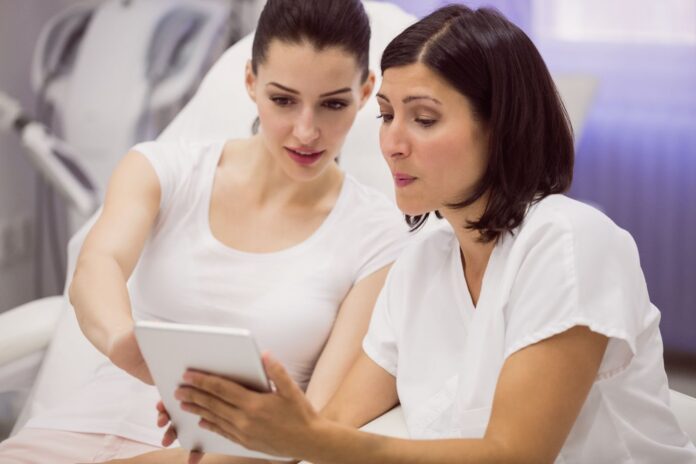
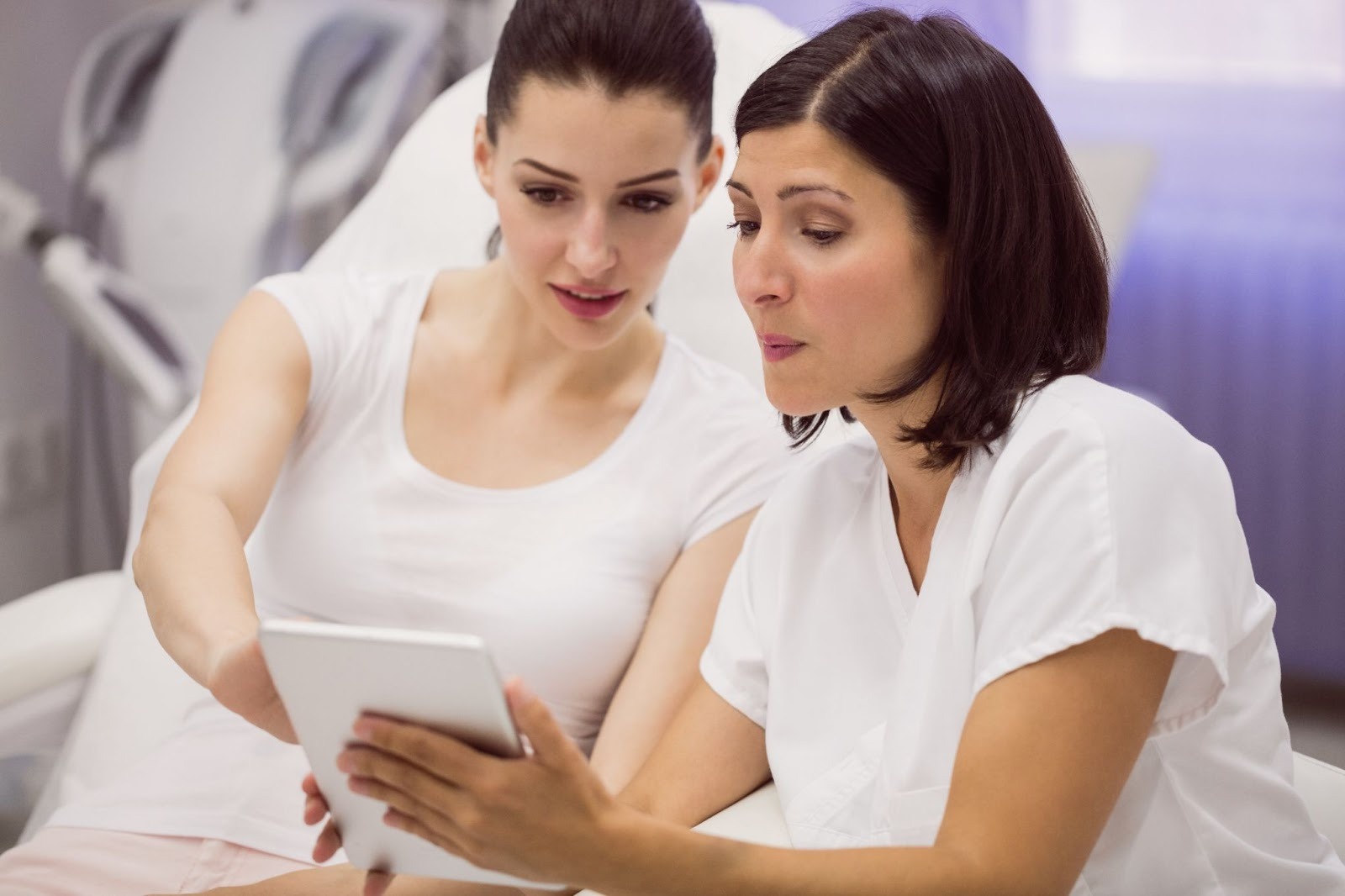
With younger patients, consultations often focus heavily on education. Discussions typically include potential risks, surgical or treatment limitations, realistic outcomes and future maintenance requirements. In many regions, updated guidelines and regulations require clear informed consent processes, particularly for surgical procedures.
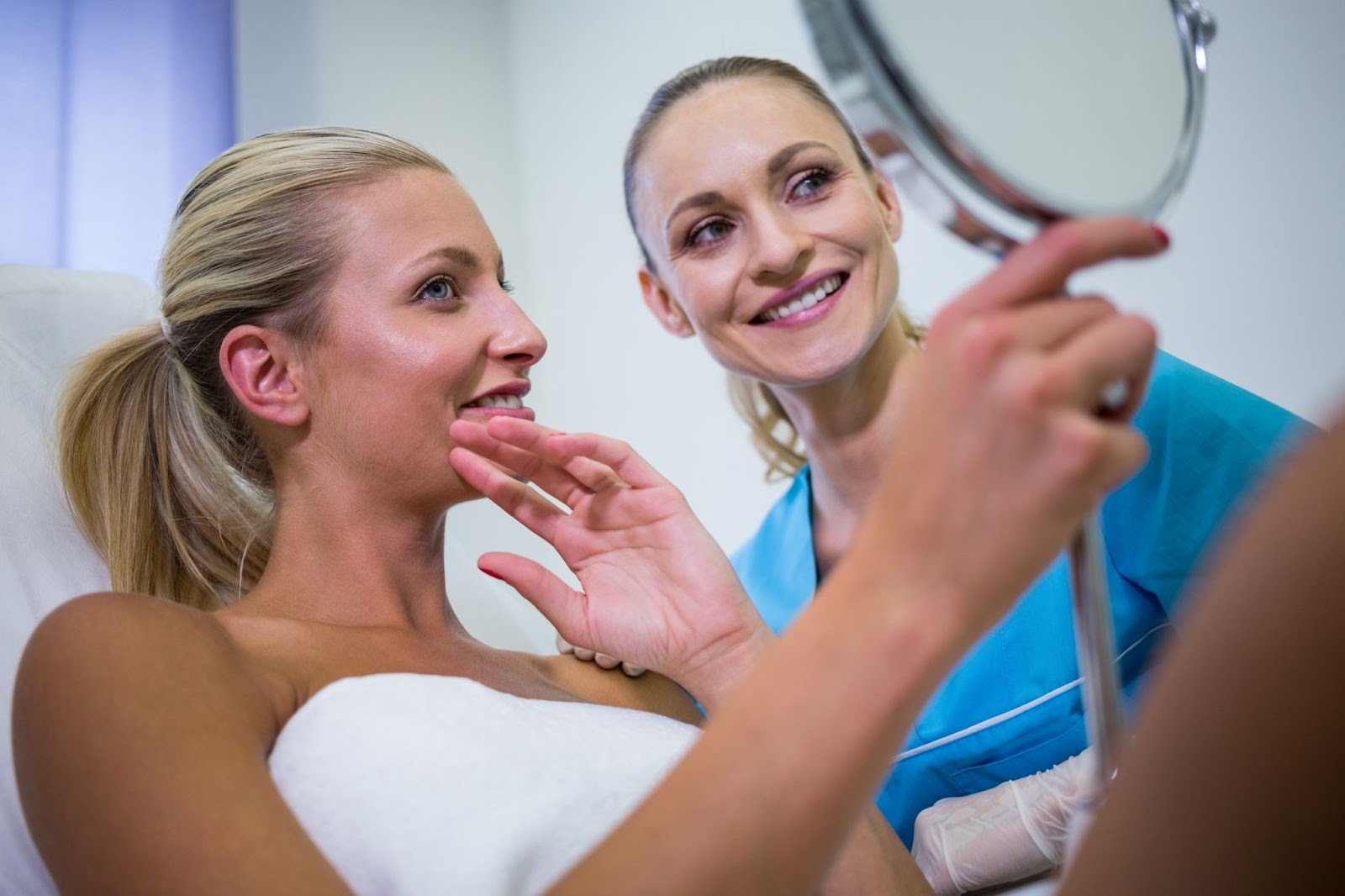
Cooling-off periods and detailed pre-operative assessments help ensure that decisions are measured and well-considered. Younger patients today are highly engaged in the consultation process. They ask detailed questions, bring reference images and seek clarification about longevity and reversibility. This collaborative approach supports outcomes that align with personal goals rather than fleeting trends.
A measured, mainstream shift
While headlines may frame the rise in cosmetic procedures among Gen Z as dramatic, industry professionals often describe it as a measured evolution. Treatments are more accessible, information is more readily available, and conversations are more open than ever before.
For many belonging to the younger generation, cosmetic procedures are about small, considered refinements made in consultation with qualified professionals. As beauty standards continue to diversify and social media remains influential, interest in both surgical and non-surgical procedures among Gen Z is likely to remain a notable feature.