

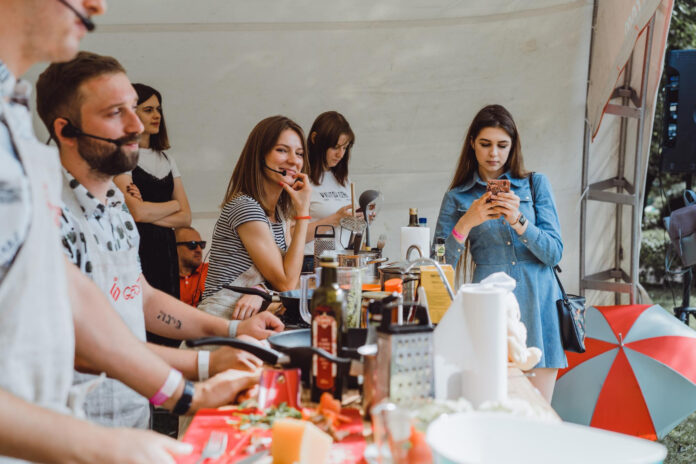
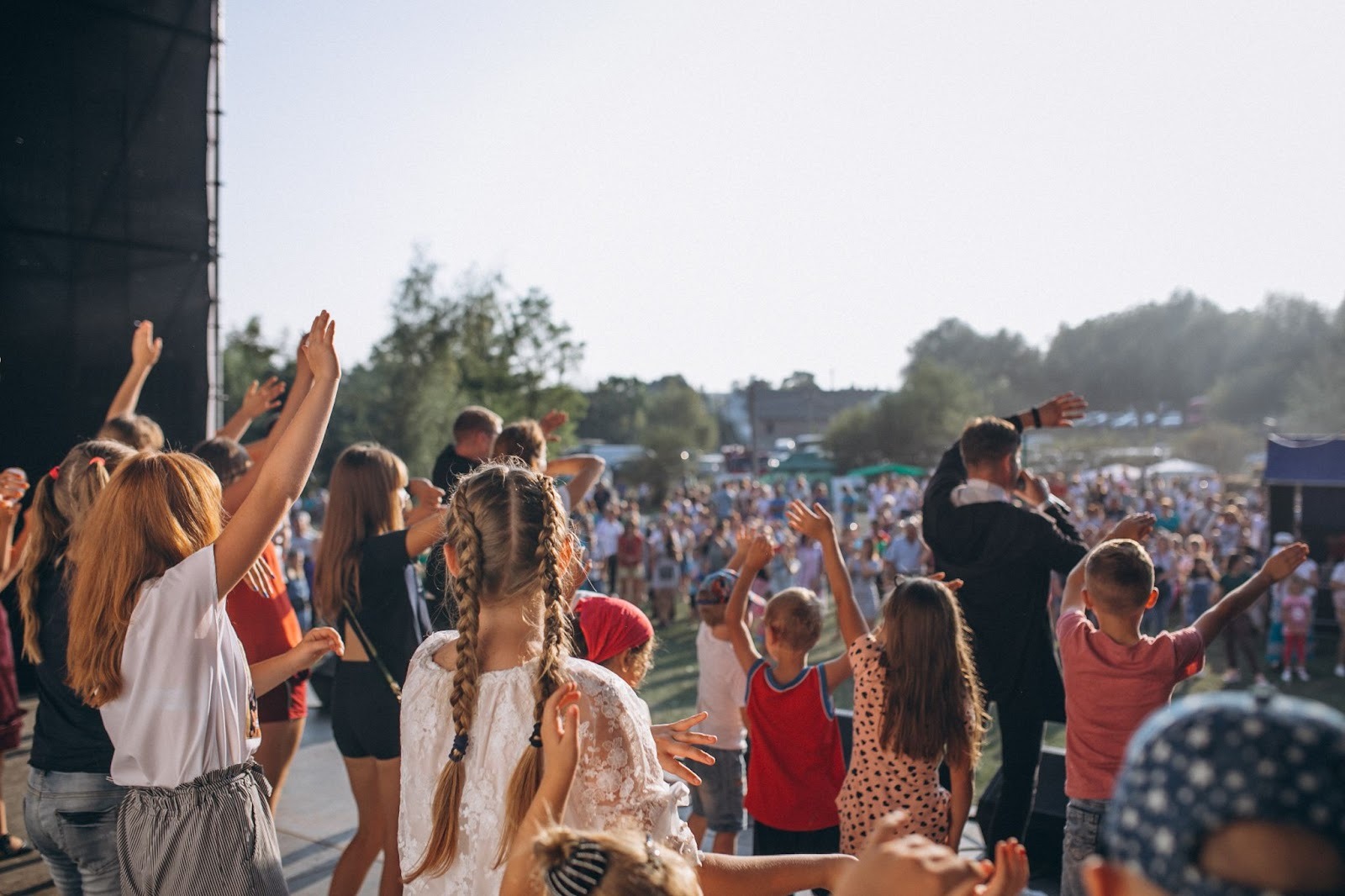

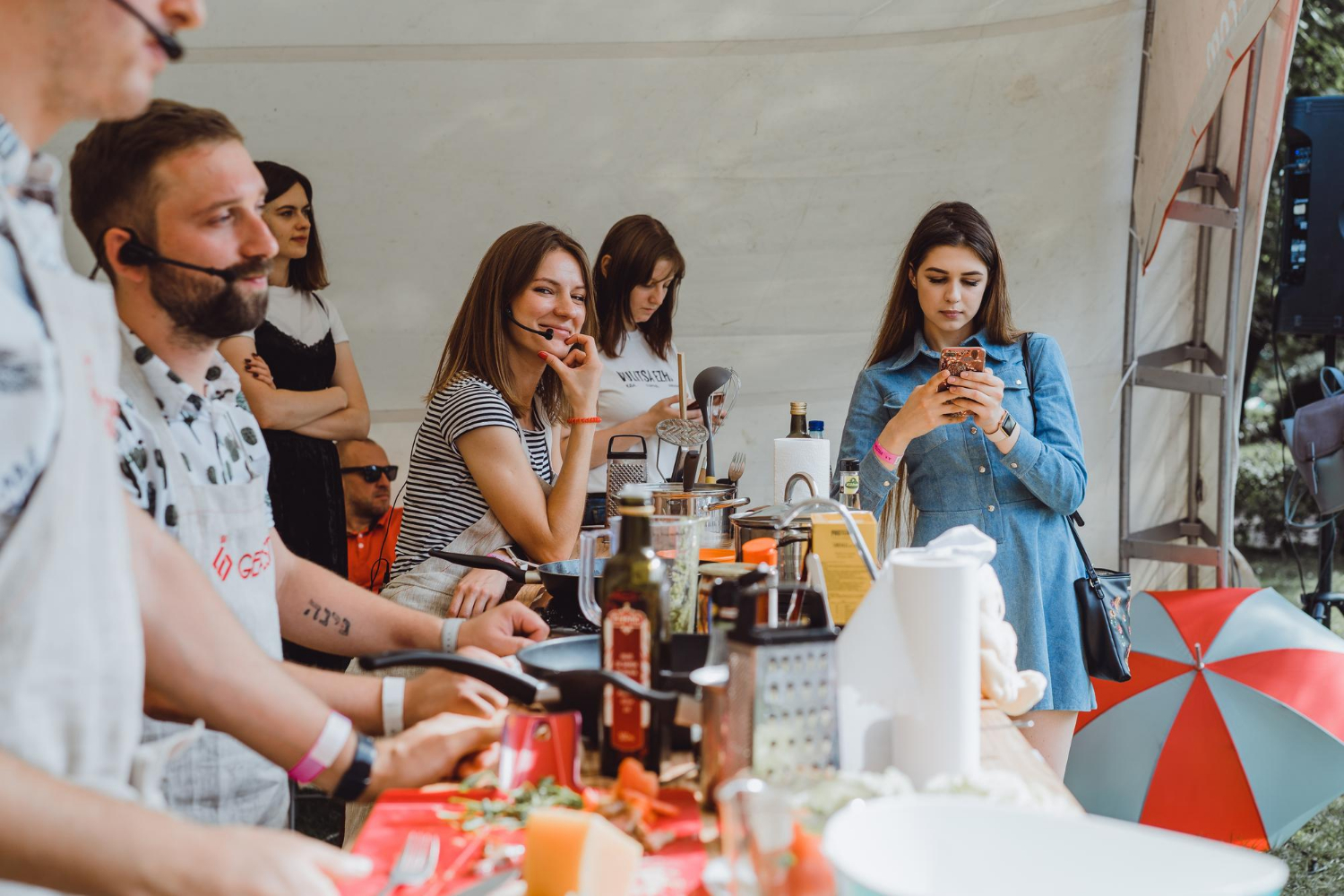
Getting people together in real life is exciting. Social media can bring us together, but nothing will completely replace the experience of gathering in person for festivals, events, raising funds or simply around the backyard BBQ grill. Local community events are what bind us all together as a community and form memories that will last a lifetime.
Aussies love a good event. In fact, 83% of us feel more connected to our community when we go to live events and interact with others. Now, the good part is that such events don’t always need a shit ton of money to arrange. You can easily create some fun group activities that draw people in like bees to honey.
If your goal is to arrange the best event on the calendar, let’s get to work.
Define Your Purpose
Why are you trying to organise the event? You need to be clear about this one question before putting your head into all the budgets and specifics.
Is this to raise money for a good cause?
You want to celebrate something important?
Just want to hang out with your community?
Whatever motivations you have, it’s important to be clear about them. Once your intentions for the event are clear, your event ideas will come pouring in, and you’ll have a ton of activities to get everyone together. This will also make it easy to draw in those like-minded people who you have wanted to understand for a while now.
Set Your Budget
Now that you have a goal or goals in mind on what you’d like to do, we can start getting real about the bottom line. When it comes to event planning, everything comes down to one thing: money. It doesn’t matter how much time you’ve spent planning; if your budget doesn’t meet your expectations, you’re going to have to compromise.
Every event has an abundance of details, and each one is associated with a price tag, such as;
- Venue hire
- Permits and insurance
- Entertainment and speakers
- Vendors and food
- Staff and volunteers
- Equipments and supplies
- Marketing and promotion
Make sure to budget early, and don’t forget your contingency fund for the unexpected costs. Because, believe me, they will crop up fast.
Popular and successful events often have a waiting list, and the same may happen to your event. If you can get sponsors, it’ll become much easier to arrange the event just like you had imagined from the get-go. Many event managers also begin to engage with their financial managers to create cash flows by selling event sponsorships, collecting money or donations, and starting crowdfunding campaigns.
Select the Right Venue
It’s very important to consider every detail when planning an event, especially the location. Locations must be easy to access by the audience, safe, and large enough to accommodate the expected crowd. Community events are commonly held in local parks, community halls, or nearby sports grounds. You can use places like community centres, parks and sports fields.
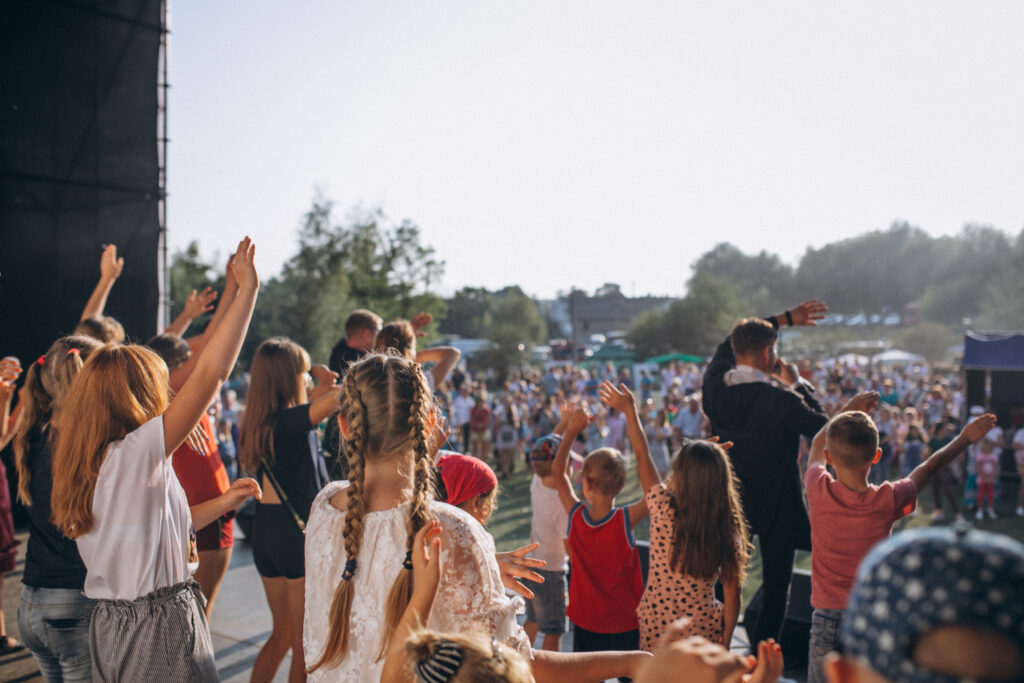
If you plan to add a big stage, a tent, or put up some fencing to create specific areas, make sure you have a big enough venue and a capable staff to help with it. Contacting professionals who specialise in scaffolding hire in Melbourne is a good place to start, helping you ensure that your event structures are secure, without compromising on their appearance.
Get The Paperwork Sorted
Now that you have chosen a location and are ready to go, there’s still plenty of paperwork to get in order. If your event is of medium to large scale, there are some permits that you will have to obtain before proceeding with the planning of the event. Here’s what you may need:
- Local council permits for the event
- Public liability insurance: Just in case things go wrong.
- Food and alcohol licensing: If you are going to serve food and drinks
- Noise permits: If you plan to blast music or use loudspeakers
Do not leave this step for the last minute. Always make an appointment with somebody at the local council early on, so you fully know what your event will require.
Bring in the Big Guns
Now it’s time to get people who’ll make your event pop and make sure it’s the talk of the town.
Vendors: If you’re doing a food festival or a food market, get in touch with local food trucks, farmers, and artisans. Make sure you’ve got some variety and some local food options, since no one wants to pay to get another sausage sizzle.
Sponsors: Reach out to some small local businesses. They might be able to sponsor your event or donate food, prizes and equipment since it creates a win-win opportunity for increased visibility and foot traffic.
Entertainment: Don’t forget about the good stuff, like live music. Hire local bands or even Aussie comedians who’ll light up the event even more.
Spread the Word
It is time to start the buzz and spread news of your event like wildfire. No matter how great your event could be, if no one knows about it, how will it be a success?
Post about your event all over the place. Think about all the social media platforms you can use to promote your event: Instagram, TikTok, Facebook, Twitter, Threads, YouTube, etc. Believe that your event is gonna be the best one. Post fun BTS videos, countdowns, Giveaways, etc. It doesn’t matter what it is; just get people interested.
Local media outlets such as radio, newspapers, and blogs could also help publicise your event. I believe a couple of collabs with a few local journalists or influencers who have a good reputation in your town or nearby area is a sure-fire way to bring in an audience.
And hey, don’t miss out on the old-school methods, especially if you’re holding the event in a small town. Put up those flyers with vibrant colours in areas where people often visit.
Execute Like a Pro
Give everything the final check at least a day or two before the event. Before the event starts, make sure all the vendors have arrived, the sound system is working, the signs are up, and everything is prepared for the big day.
Also, check in with your team, vendors, sponsors, and volunteers to confirm everyone is ready to rock the event. Set up your group chat in advance so everyone can be as organised as possible for the event, and if necessary, use walkie-talkies to keep everyone in sync.
Wrap Up and Say Thanks
It is D-Day! The event was a success, and now, it’s time to pack everything up. Remember to show appreciation to your volunteers. A chant, a cheer, or a hug works great. If something went wrong under your leadership, you must own it and apologise to everyone. Spread the love and trust.
Once the event is done, feedback is like gold. You’ll get to know what worked well, what didn’t, and what you will need to improve for your future events.
Planning a community event can feel challenging, but it’s so rewarding to see all the hard work pay off. It’s also an incredible feeling to see your event bring people and the community together. The next time you organise an event, be sure to plan smartly so you don’t have to feel stressed out.