

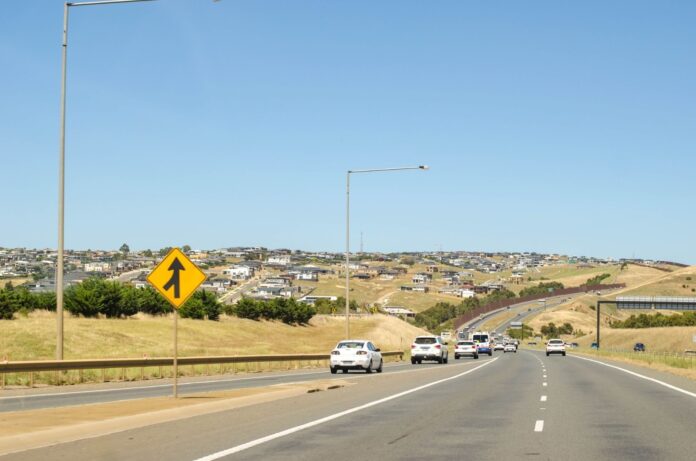
The Princes Freeway, particularly the stretch near Werribee in Melbourne’s outer south-west, has earned a reputation as one of the region’s most dangerous routes. For commuters, locals, visitors and long-distance travellers alike, understanding the risks on this freeway is essential for staying safe. Between high-speed traffic, congestion and infrastructure challenges, drivers face a complex set of collision risk factors that demand attention. Below, we’ll explore the worst of these risk factors and offer some tips to mitigate the hazards they represent.
Setting Off on the Right Foot
Before even hitting the road and approaching the Princes Freeway, the first line of defence against accidents is a vehicle in top condition. Ensuring your car is roadworthy, free of defects, serviced and well-maintained can make a huge difference in both preventing collisions and reducing the severity of an incident that occurs.
Even minor mechanical issues can escalate into dangerous situations when combined with congested lanes or high-speed trucks. If you’ve recently been involved in a collision, seek reputable accident repairs in Laverton or another trusted, local collision repair provider to ensure your vehicle is fully restored and safe for the road.
Key items to check before you set off on a long-distance drive include:
- Brakes and brake fluid – critical for avoiding rear-end collisions, especially in stop-start traffic.
- Tyres and tread depth – adequate grip is essential for safe lane changes and emergency braking.
- Lights and indicators – essential for communication in heavy traffic and low visibility conditions.
- Windshield wipers and washers – vital during wet weather to maintain clear vision.
- Suspension and steering components – ensure stability at high speeds and during sudden manoeuvres.
High-Speed Traffic and Close Passing Vehicles
One of the most significant risk factors on this stretch of the freeway is speed differential. While cars attempting to exit at Werribee may be at a near standstill in long queues, trucks and other vehicles on the main carriageway continue at speeds up to 100 kilometres per hour.
This speed mismatch creates a particularly dangerous environment for drivers waiting in slip lanes or emergency lanes. Several motorists have reported feeling highly concerned as trucks pass dangerously close to stationary cars. Even a slight miscalculation by a heavy vehicle can result in collisions with catastrophic consequences.
Experts suggest that lowering speed limits during peak congestion times could help mitigate some of this risk. While not a permanent solution for safer roads, temporarily reducing speeds would give drivers more reaction time and reduce the force of any potential collision.
Infrastructure Bottlenecks and Congestion
The Werribee exit, part of Melbourne’s fast-growing Wyndham corridor, experiences severe bottlenecks. With population growth outpacing infrastructure development, queues of up to three kilometres are not uncommon during peak periods.
Drivers attempting to merge onto the freeway or exit at congested slip lanes face limited space and time to manoeuvre. The result is increased tension, frustrated drivers and a higher likelihood of minor and major collisions alike.
Reports have repeatedly highlighted this stretch as one of Melbourne’s most dangerous intersections, second only to Mount Alexander Road and Keilor Road in the north-west. Policy experts suggest infrastructure upgrades, like roundabouts or additional lanes, to improve traffic flow and reduce collision risk.
Road Maintenance and Unexpected Hazards
Another factor that has contributed to freeway incidents is road maintenance issues. One example from June 2025 was when a 200kg steel panel covering an expansion joint became dislodged, causing multiple collisions and a truck rollover during the early morning commute. The incident closed all Melbourne-bound lanes for hours, leaving commuters stranded in long queues.
The Department of Transport took responsibility and agreed to compensate affected motorists, but the event underscores the ongoing risk posed by poor road conditions or maintenance oversights. Human error during roadworks and routine maintenance can create sudden, unexpected hazards on the freeway like this, even for drivers who are otherwise cautious and alert.
Population Growth and Commuter Pressure
The outer south-west of Melbourne, including Werribee and surrounding suburbs, is experiencing rapid population growth. Wyndham’s population is increasing by approximately 5 per cent annually, nearly three times the national average of 1.7 per cent.
This surge in residents translates directly into higher traffic volumes, particularly during peak hours. More cars on the road mean more interactions, more lane changes and more potential for collisions. Unfortunately, road infrastructure development has not kept pace, meaning residents often face dangerous queues and limited alternatives for safe freeway travel.
Weather and Visibility Challenges
Being part of Melbourne’s notorious climate conditions, the Princes Freeway is also susceptible to weather-related risks. Rain, fog and early morning dew can significantly reduce visibility and road traction. Drivers should be particularly cautious during wet conditions, as stopping distances increase and lane positioning becomes more critical.
Wet roads combined with high-speed traffic and congested slip lanes create an elevated risk for accidents, even for experienced drivers. Checking the weather before your journey and adjusting your driving style accordingly is an essential precaution.
Human Factors and Driver Behaviour
While infrastructure and traffic conditions are major contributors, human factors play a significant role in collisions. Distractions, fatigue and aggressive driving increase the likelihood of accidents on the freeway.
Drivers in long queues may become impatient, trying to merge too quickly or changing lanes erratically. Others may fail to maintain safe following distances, especially in high-speed sections. Defensive driving and patience are crucial, particularly in areas known for congestion.
Emergency Response and Incident Management
Finally, understanding how incidents are managed on the freeway can inform safer driving practices. When accidents occur, they often result in extended closures, traffic diversions and emergency service interventions.
Awareness of how to respond to roadside hazards, like broken-down vehicles, debris or emergency services on the shoulder, can help reduce the likelihood of secondary collisions. Keeping a safe distance, moving off the road if possible and remaining alert are key steps to staying safe in these situations.
Key Takeaways
The Princes Freeway is one of Victoria’s most challenging environments for drivers, with a combination of high-speed traffic, congestion, maintenance hazards and rapid population growth. Understanding these risk factors and taking proactive steps, from maintaining a roadworthy vehicle to driving defensively and adapting to road conditions, can significantly reduce the chance of accidents.
While a focus on long-term infrastructure upgrades is needed, including potential interchange redesigns and overpass construction, the reality is that everyday drivers must navigate these risks with care. By starting each journey on a solid foundation, staying alert and responding appropriately to hazards, commuters can safely traverse one of Melbourne’s most notorious freeway stretches.