

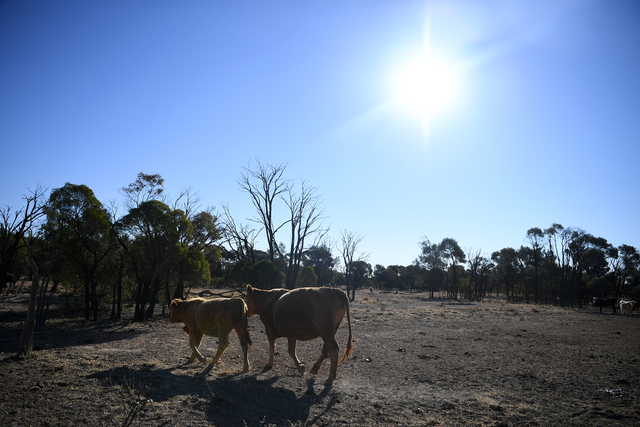
Surf Coast Shire’s agriculture sector is in for a lengthy recovery following recent drought and fire conditions across the region.
A report presented to council during its 24 February meeting noted that while rainfall late last year had been beneficial, the shire’s drought recovery may take 12 months to three years.
Councillor Joel Grist said agriculture was an important part of the shire’s economy and that farmers had endured difficult conditions over the “past year and more”.
“Resilience ultimately comes from economic freedom, flexibility, and local initiative, and our policy settings should reflect that,” he said.
“We should prioritise reducing regulatory friction, avoiding structural increases in council expenditure, and strengthening the conditions for voluntary market-led recovery.
“The best form of drought resilience is often adaptive capacity, and that comes from freedom to innovate, diversify income streams, and respond quickly to market signals.
“Right now, we are between drought and recovery, so we must continue to monitor conditions closely, talk to our community to understand the situation, and direct further support if and where it’s needed.”
Cr Leon Walker said prolonged dry conditions since 2023 have placed pressure on agricultural productivity, water security and community wellbeing across rural townships.
“We need to take into account the recent fires, with a lot of volunteers across the region being farmers and residents of the hinterland,” he said
“They are out there fighting fires without hesitation, often having to leave their own properties to fight fires, and protect their neighbours and community.
“There’s been drought response and support activity, including relief grants, requiring ongoing support, connection and resilience, but the thing that can help the problem is rain, which we can’t control.”
Council’s drought support measures last year included freezing rates for eligible farm lands, delivering programs for farmers and rural businesses, and promoting available financial and mental health support opportunities.
Other measures included hosting and promoting community-led resilience events, maintaining emergency water access points, and publicly advocating against the state government’s Emergency Services and Volunteer Fund levy.