
Geelong residents should keep an eye out for a vibrant green floating plant with pale purple flowers after an infestation on a rural Anakie property.
Water hyacinth (also known as Eichhornia crassipes), a state-prohibited weed listed under the 1994 Catchment and Land Protection Act, was discovered on the property located to the north of Geelong.
Agriculture Victoria Incursion Control leading biosecurity officer Kaitlin Wright said water hyacinth was considered the world’s worst water weed.
Ms Wright also said the weed has infested rivers, dams, lakes and irrigation channels in every continent except Antarctica.
“Thriving in warm weather, water hyacinth is a floating water plant that can reproduce by daughter plants or seed,” she said.
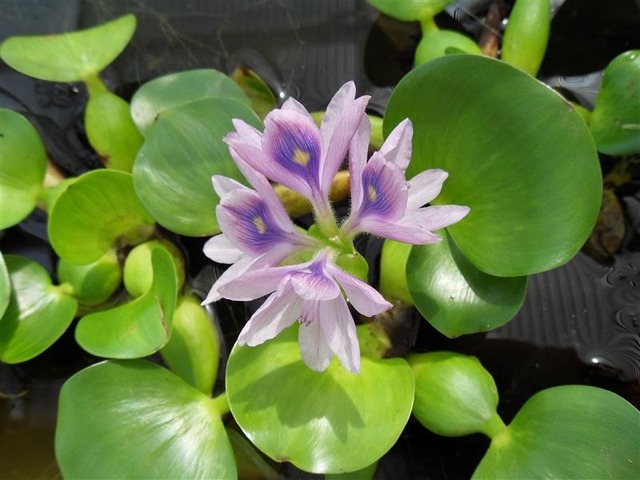
“They can be identified by their swollen stems with air-filled tissue for buoyancy and large mauve coloured flowers.
“When you consider that one water hyacinth plant can produce more than 3,000 seeds over the summer, you see how easily they can take over a backyard pond.”
Owners of the Anakie property alerted Agriculture Victoria to the almost 5000 square-metre infestation, with its origin currently unknown.
Water hyacinth can have many impacts on properties, including reducing water quality, pushing out native species, limiting water access, extreme weed growth and high treatment costs.
The weed can be identified by a distinctive yellow spot surrounded by a darker patch on the uppermost petal of the pale purple flower on the green floating plant.
Visit Agriculture Victoria’s website to make a report or for more information on water hyacinth.