
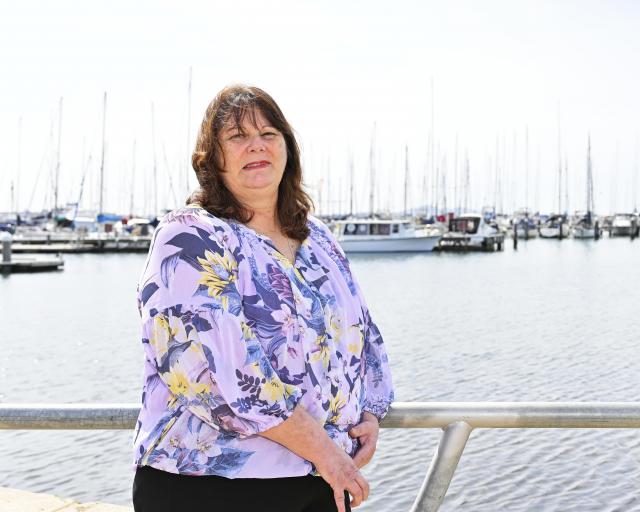
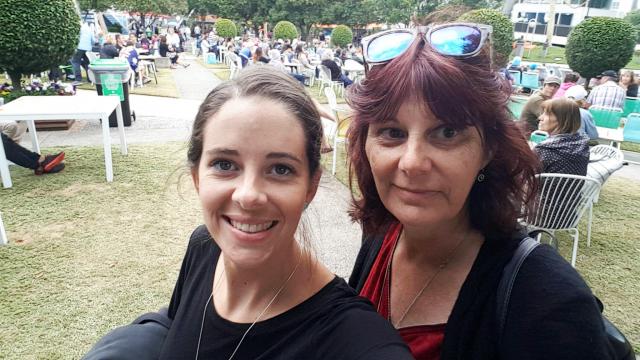
Geelong woman Dianne Speed suffered a huge stroke 18 hours after giving birth to her daughter 35 years ago. It took away her ability to talk, walk, use her right arm and care for her newborn baby. Jena Carr speaks with her about the experience of being a stroke survivor.
The birth of a child is one of the best times in many parents’ lives, at least it was for Dianne Speed, until a stroke turned her life upside down.
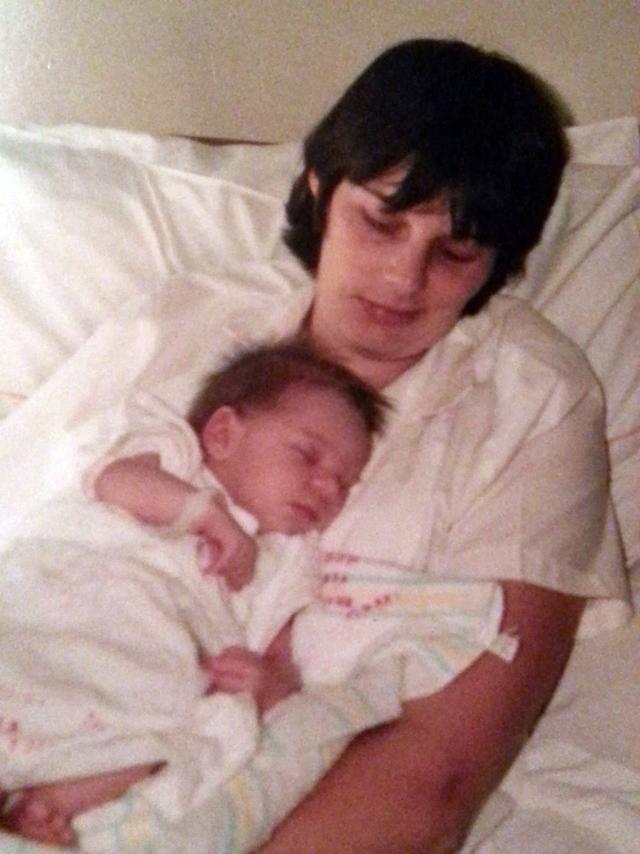
Dianne was only 26 when a massive stroke hit her 18 hours after giving birth to her daughter Bashia Speed.
It was her husband at the time who realised Dianne was having a stroke, and it wasn’t until she saw his face that she realised something was wrong.
“He saw my face drop and it was probably when I saw the panic on his face that I realised that I couldn’t talk,” she said.
“It was what I call a normal stroke, which was a blockage in the brain, and I couldn’t walk or talk, and my whole right side had gone limp.
“He ran and got a nurse who then got the doctor but, by the time the doctor got to me, it was too late as the stroke was over and done with.”
The stroke led to Dianne spending close to four months in hospital and meant that she missed out on many aspects of motherhood as she could not look after her daughter.
“The stroke took the joy out of something that is meant to be a special time in parent’s lives and it was hard,” she said.
“I had only nursed her once, and then the stroke happened, so I didn’t get that maternal bond most mothers get.
“We are close, but I don’t feel like I had that true connection that she and her father had as he was with her every day, but at least she had someone to form that connection with.
“I noticed when she became school aged that I couldn’t tie her hair up or do those things like other mothers could, and in ways, I feel guilty because I couldn’t give her what she needed.
“All she needed though was me to be there and she worked out ways to do things by herself.”
Dianne was living in Colac at the time of her stroke before moving to Geelong when her daughter was one and learnt how to walk and talk again at the same time as her daughter.
“We believe she learnt about talking and walking through my support sessions.
“She came with me to speech therapy when she was about six months old and going through the process where children start talking.
“She would sometimes try to copy the exercises and sounds I was making, and I believe being exposed to those therapies had some impact on her development. She speaks very well now.
“The biggest win for me is that I raised a beautiful, strong daughter through such adversity, and I am so proud of the young lady she has become.”
It has been 35 years since Dianne’s stroke, and she has had to learn how to live with the daily long-term side effects. She said a lack of resources in 1988 contributed to her slow recovery.
“There was no understanding of young stroke back then, the treatment was very different and there was no stroke community like there is today,” she said.
“I don’t have use of my right hand…so, I had to learn to write left-handed, which is amazing how the brain compensates.
“Cognitive-wise, sometimes I’m a bit slow to retrieve the words, and when I’m reading, I need to read two or three times for that to sink in.
“It takes its toll and fatigue is a big thing with stroke, I don’t think that ever gets better. You just learn to live with the fatigue and manage it the best you can.”
Dianne said she has lived a longer life than a stroke survivor might and that, despite her challenges, it has been rewarding.
“Thirty-five years is quite a long time to be a stroke survivor…and some people who have strokes don’t think they will live a long life,” she said.
“It takes a while to get rid of the fear factor that another stroke will happen. I’ve been lucky as I haven’t had another one.
“People think it’s a death sentence, but it’s not. It changes your life…just be patient, try to accept what’s happened, and do your best with what you have left.
“It’s taken a long time for me to be in that space, but you can get there, and reach out if you need help.”
Dianne is a volunteer for the Stroke Foundation and said the main lesson she wanted to convey was that “you can’t change” what happened and to reach out if you need help.
“They are an amazing foundation and I wish they were around when I had my stroke,” she said.
“They do stroke presentations, and I remember sitting in a room listening to everyone and for the first time since my stroke, I went, ‘I am not alone’ and ‘what I have been feeling is totally normal’.
“I had felt alone for so long, being so young and not old when having a stroke, and people could identify with what I was saying, and it was great.”
Stroke is one of Australia’s biggest killers and cause of disability, but more than 80 per cent of strokes can be prevented by learning the F.A.S.T (Face, Arm, Speech, and Time) acronym.
Dianne said the best thing people can do if they think someone is having a stroke is to call 000 as soon as possible, which could save a life.
Help is available by calling the Stroke Foundation on 1800 787 653 or Lifeline on 13 11 14.