

The world-class innovation and creativity in our region never ceases to amaze me.
I’m consistently blown away by our advanced manufacturers’ ability to think outside the square and come up with pioneering products and services that garner global recognition.
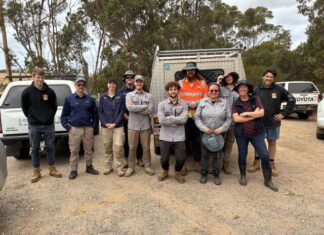
I’m particularly excited by a partnership struck between Godfrey Hirst, Deakin University and Sykes, exploring the potential to repurpose waste from the carpet manufacturing process into new printable materials.
Their research project is looking at how the plastic by-material used within Godfrey Hirst’s manufacturing process could be transformed into plastic pellets suitable for 3D printing.
If achieved, this process could divert hundreds of tonnes of waste stream material from landfill, giving it a new life with endless national opportunities.
This recycled resource has vast potential across various industry sectors, and excitingly, Deakin researchers are investigating using it to preserve the lifespan of Geelong’s iconic bollards.
The team are currently in the process of creating a bollard prototype utilising these new clever and creative methods, and I’m very eager to see the outcome.
Jan Mitchell’s renowned bollards project salvaged timber from the former Yarra Street Pier, breathing new life into the materials that would have otherwise been discarded.
Some of this timber is over 170 years old and faces significant challenges including rot, weather, pests, vandalism and, simply, the ravages of time.
So, it’s fitting then, that our local industries are exploring new opportunities that pay homage to Jan’s legacy by using 21st-century technology to once again give reclaimed materials a meaningful new life for our future generations to enjoy.
This creative problem solving reinforces Geelong’s reputation as Australia’s first UNESCO City of Design and I applaud all stakeholders involved in this innovative collaboration.
The research and prototype are still in their early stages, and regardless of whether this material is used in the bollards’ restoration, I’m excited by the prospects of this circular economy initiative and global commercial applications.
The work being done in this partnership is truly groundbreaking, and its outcomes could mean immeasurable things for our local industries and national sustainability practices in the future.
The City has recognised the enormous potential of this work, and has awarded the research project $25,000 through our Clean Economy Grants program.
Being a recipient of this grant puts the Godfrey Hirst, Deakin University and Sykes’ research in the company of esteemed projects that have achieved astronomical success in our region.
Over the past decade, this nationally recognised grants program has created and supported upwards of 670 jobs, upskilled 2600 people, and generated $19 million in new turnover for local businesses.
I am proud that the City values the importance of innovative thinking and research that supports a sustainable future and local jobs.
Projects like this have tangible outcomes that help our business and wider supply chains to thrive and foster a skilled future-ready workforce.
Importantly, the beneficiaries of this research are not just our advanced manufacturing businesses, but also our arts, culture, and sustainability sectors – key industries that we know will help Geelong achieve international renown as a Clever and Creative city region.
I eagerly await the findings of this project and the transformative impact it will have on our future.