
Geelong council has reiterated its opposition to an incineration facility within the municipality but acknowledged the need to “explore the best mix of residual waste options”.
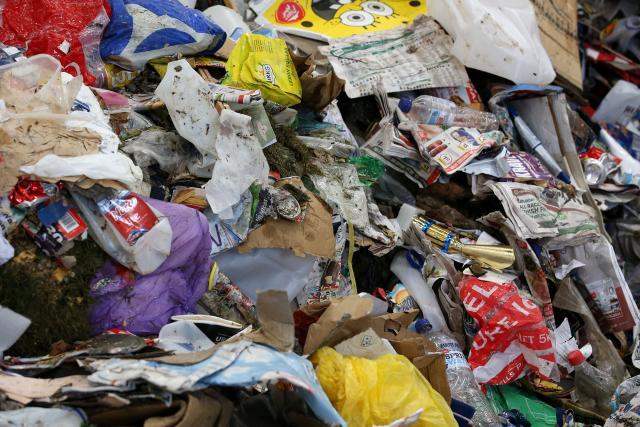
With the Drysdale landfill approaching the end of its operational life and the state government looking to divert the vast majority of waste from landfills, waste management looms as one of City of Greater Geelong’s biggest challenges.
A report tabled at Tuesday night’s council meeting, prompted by community opposition to the proposed Lara energy to waste facility and requested by councillor Anthony Aitken in January this year, reflected the council’s continuing stance against incineration in Greater Geelong.
But it also emphasised the need to look at alternative solutions, including other waste to energy options, such as gasification, pyrolysis and bio-digestion.
Councillor Aitken said the City needed to advocate to the state government to spend the money collected through the EPA’s landfill levy on research and development for new technologies.
“What I do know is that the solution for addressing residual waste does not exist today,” he said.
“That’s where technology, advancement and our tertiary sector play a very important role.
“The EPA landfill levy increased by 29 per cent to $169 per tonne… we’re talking about $300 to $400 million per year that could be put into the tertiary sector to try to find the advancements we need to address residual waste.
“We should be…encouraging those people that are smarter than ourselves to find a solution.”