
The hooded plovers that inhabit the ‘dog beach’ at Ocean Grove between 6W and 7W are sitting on some eggs again.
They hatched three chicks before Christmas that lived for about a week, so hopefully they will have some better luck with this breeding attempt.
Please take care when walking a dog around this area and take note of signs asking for dogs to be placed on a lead. Thanks so much.
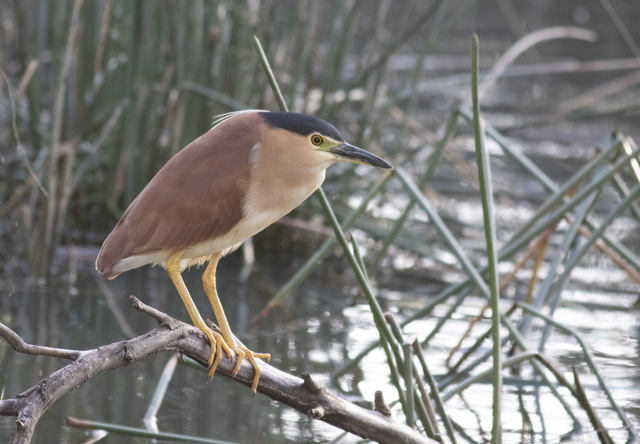
I was walking my dogs (both on a lead) past a small pond in my neighbourhood, when I spotted a lovely nankeen night heron perched on a stick in the pond.
I raced home with the pups to grab the camera and I was happy to see that the heron was still on the stick when I returned.
In the breeding season these birds grow three white feathers down the back of the head, known as nuptial plumes, which can be seen on this bird. Nankeen night herons spend most of the day roosting in foliage around waterways and emerge at dusk, but they can be seen in the morning like this bird was.
I was lucky to walk around the farm in Wallington where I conduct a seasonal Birds on Farms survey for Birdlife Australia. I was in raptor heaven, as I saw a pair of wedge-tailed eagles, a swamp harrier, three whistling kites, three black kites, one brown goshawk and a peregrine falcon.
There were many rabbits on the farm, so the wedge-tailed eagles will be well fed as they love to consume rabbits. The wetland on the farm is drying out rapidly, but there were a few shelducks, pied stilts and red-capped plovers enjoying the habitat.
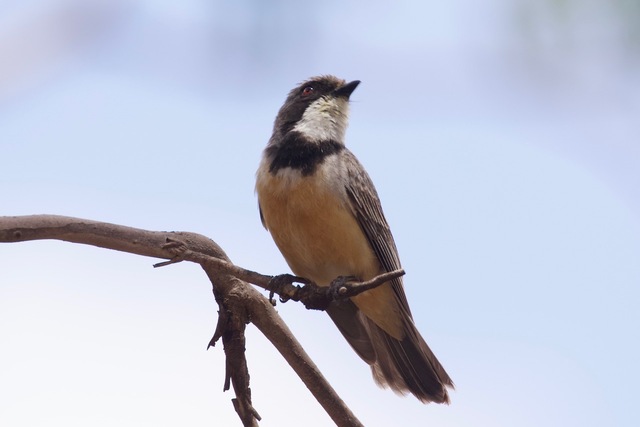
I received an email from Kevin who, with his wife Anne Maree, took a trip to Inverleigh where there were quite a few rufous whistlers calling just north-west of the town. Kevin noted that the whistlers were hard to see but he managed a lovely photo of one bird that sang to Kevin and Anne Maree at close quarters.
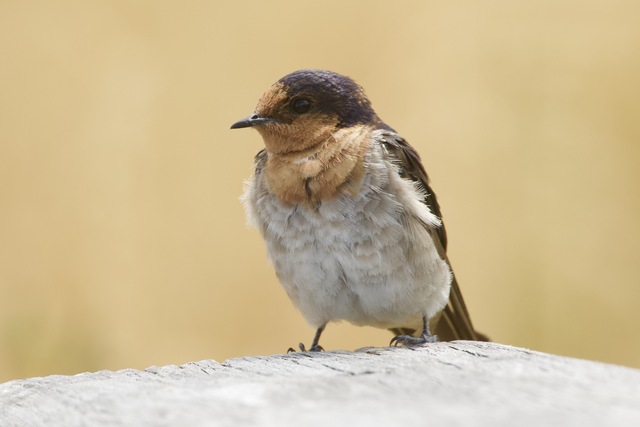
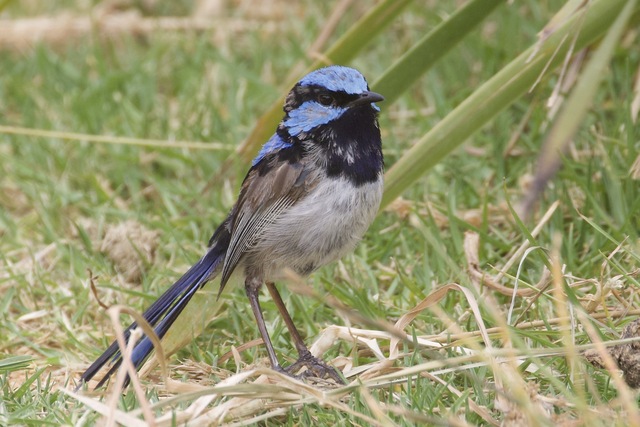
Later Kevin and Anne Maree drove to Anglesea where there were not many birds around except for a beautiful male superb fairy wren that was moulting into breeding plumage, and a family of welcome swallows.
Thanks so much Kevin and Anne Maree for the observations and photos.