
The unseasonably cool weather has largely continued in the beginning of summer, which has been quite pleasant.
Luckily, I’ve had a few days where I’ve been able to go out birdwatching.
I had a trip to Bendigo to visit my friend Denis, who lived in Ocean Grove for many years before moving a few years ago to be closer to family. The impressive thing about Bendigo is that there are some great birdwatching areas close to the city.
I’ve been to Mount Korong Nature Reserve a few times with Denis, which is around an hour’s drive from Bendigo. This time when we went there, I saw two ‘lifers’ or birds I’ve never seen before, which was awesome, as well as 39 other species of birds.
The two new species were a black-eared cuckoo and a painted honeyeater, and other highlights were a pair of red-backed kingfishers nesting in a hole in the creek bed, a flock of white-browed woodswallows and a few rainbow bee-eaters.
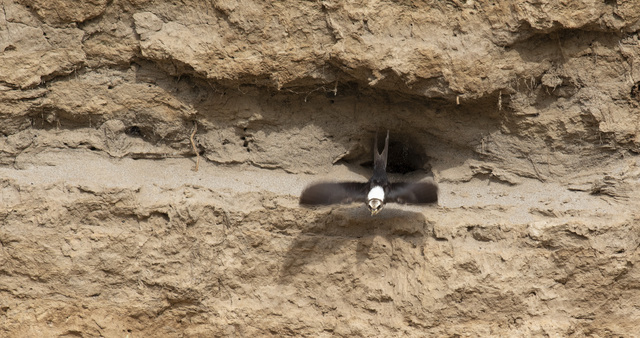
Also, in Bendigo we observed two white-backed swallows flying in and out a nesting hollow on the bank of a creek bed. I sat by the creek bed for an hour or so watching these birds while trying to take a decent photo of them, but even with a wide-open aperture and fast shutter speed it was almost impossible to freeze the wing movement in the photos, such was their speed in flight.
I also had a drive to Colac, as I wanted to see if there were any great-crested grebes at Lake Colac at the end of Sinclair Street, as they have been there over the past few years. I didn’t see any of these birds, but I did spot some black-fronted dotterels and red-kneed dotterels wading in the muddy shallows of the lake.
I also went to one of my favourite places to have a quick look, namely Lake Murdeduke, which is near Whinchelsea. I didn’t spot much there except for many Australian pipits and one Eurasian skylark, which is a similar bird to a pipit but was introduced from the United Kingdom in the 1850s.
I received an email from Ocean Grove local Alan, who told me that it is nice to be back home in the Grove after a few months in southern Western Australia. Sadly, the weather here at home has not been any better than Alan experienced for the most part of his trip, as it was rainy, very windy and rarely sunny.
The scenery was still beautiful regardless of the conditions. Alan is still sorting through thousands of photos and will be for weeks.
Alan took the camera for a walk around Blue Waters Lake (BWL) after returning home and experienced the same weather conditions mentioned above, all within 30 minutes.
Alan has had an Australian wood duck family pop into his backyard from BWL a few times. On one occasion Alan returned home to find six of the eight ducklings paddling around in his garden pond, unable to get out as they could not fly.
The parent ducks were looking very stressed so getting close to scoop the chicks out was not practical. The simple solution was to turn the hose on and raise the level of the pond and to watch each chick learn from the others which corner of the pond was easiest to escape from.
Another interesting encounter was observing a pied currawong fledgling trying to balance on a dead branch in very windy conditions. It was scanning the skies obviously awaiting a feed and became very animated once one of the parents was in sight, flapping its wings and screaming out.
It was also nice to see a pair of tawny frogmouths perched in a tree very close to the path towards the east end of the lake.
More than a dozen freckled ducks have been present for the past week, perching on the leaning gum tree on the north-west corner of BWL, or under the big willow on the south side.
The male seen still has some red colouring on his beak as the breeding season comes to an end. Freckled ducks are listed as vulnerable in conservation status in Australia and in dry times they move to permanent lakes and waterways, which is when they are seen around the Bellarine.
Thanks so much Alan for your email and welcome home.